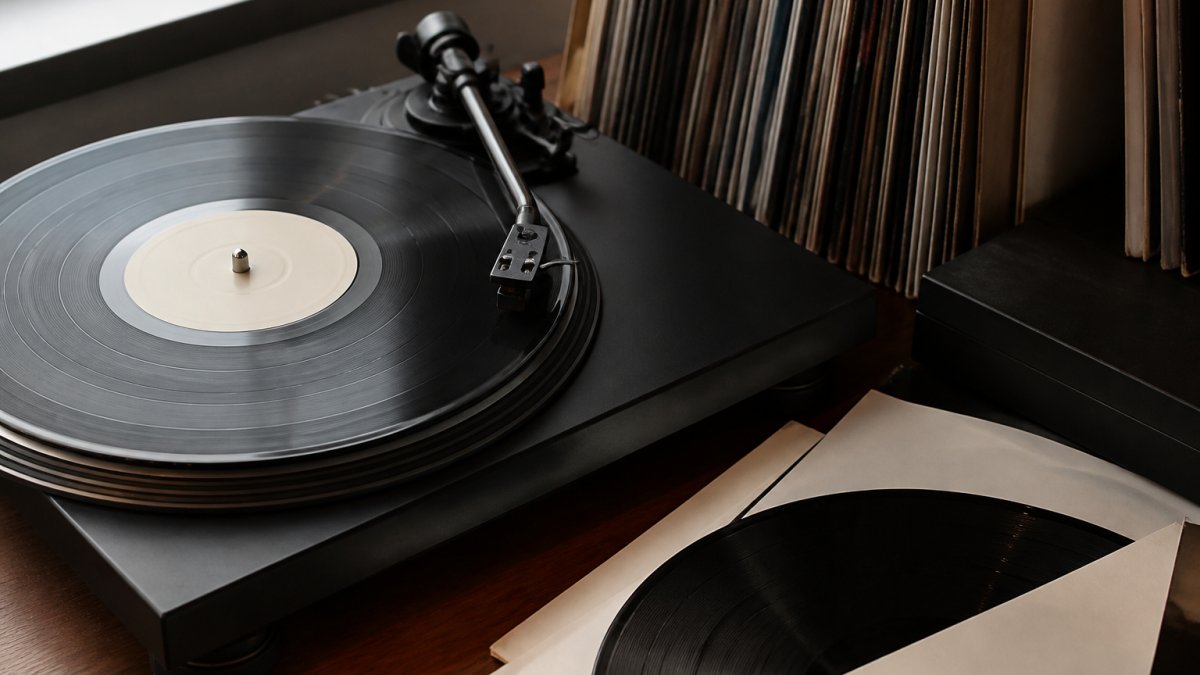
 blog
Is Vinyl Sound Quality Better Than Digital? The Honest Answer
Last Updated: October 31, 2026
Quick Summary
Vinyl sound quality is not measurably better than digital, since CD wins on accuracy while vinyl wins on perceived character. In blind, level-matched tests, most listeners can't reliably tell the two formats apart, so the real difference comes down to mastering and personal preference.
- Digital formats can hold more dynamic range, while vinyl has physical limits that engineers compress and shape during mastering.
- A fraction of a decibel is enough to make one source sound clearer or fuller, so level-match before judging.
- Analog warmth comes from slight high-frequency roll-off, harmonic distortion, and the physical character of record grooves.
- Check the deadwax for matrix numbers or mastering engineer initials to identify which cut you own.
- Buying vinyl without checking your cartridge and stylus condition leads to distortion and premature record wear.
Table of Contents
- Is Vinyl Sound Quality Better? What the Debate Really Comes Down To
- Vinyl vs CD Sound Quality: Measurable Fidelity vs Perceived Warmth
- Does Vinyl Sound Better Than Digital? Controlled Listening Tests Say Less Than You Think
- Why Does Vinyl Sound Warmer? Analog Warmth, Surface Noise, and the Psychology of Listening
- Vinyl Mastering vs Digital Mastering: Why the Same Album Sounds Different
- Choosing Your Format: A Decision Guide for Punk Vinyl Collectors
- Frequently Asked Questions
Is Vinyl Sound Quality Better? What the Debate Really Comes Down To
Ask ten punk collectors whether vinyl sound quality is better than digital, and you'll get ten passionate answers. But the honest answer is more complicated than either side admits. This guide breaks down what actually changes the sound, what's measurable, and what's pure preference.
Here's the short version: vinyl and digital are not competing on the same field. Vinyl adds something to the signal. Digital tries to reproduce it exactly. Whether that addition sounds "better" depends on what you value.
A common mistake is treating this as a technical question with one right answer. It isn't. It's a question about mastering, playback gear, and what your ears are trained to notice.
Below, we'll show you exactly how the two formats differ, where the myths come from, and how to decide for your own collection.
Vinyl vs CD Sound Quality: Measurable Fidelity vs Perceived Warmth
Vinyl vs CD sound quality comes down to one split: CD wins on measurable accuracy, vinyl wins on perceived character.
A CD stores audio as digital samples that a player converts back to a signal. A record stores sound as physical grooves that a stylus reads. The record introduces its own color.
Neither format is "more real." Both are reproductions.
What matters is which reproduction matches your listening habits and your gear.
Dynamic Range and Mastering Differences
Dynamic range is the gap between the quietest and loudest parts of a recording. Digital formats can hold more of it. Vinyl has physical limits, so engineers compress and shape the signal to fit the grooves.
That shaping is not a flaw. It's a choice made during mastering, and it changes what you hear.
A vinyl cut often gets gentler highs and a fuller low end. A digital master may keep more detail but sound flatter on cheap speakers. Same song, different decisions.
Does Vinyl Sound Better Than Digital? Controlled Listening Tests Say Less Than You Think
Does vinyl sound better than digital? In blind, level-matched tests, most listeners can't reliably tell them apart. That surprises people, but the reason is mechanical, not mystical.
Here's why the tests matter. When you compare formats, small volume differences trick the ear. A fraction of a decibel is enough to make one source sound "clearer" or "fuller." Louder almost always sounds better, even when nothing else changed.
The second control is blindness. If you can see the turntable spinning, you already know which format you're hearing, and expectation fills in the rest.
So what's left? The listening experience. The ritual, the artwork, the act of dropping a needle. That's real, but it's psychology, not fidelity. A controlled test measures what reaches your ears. It can't measure why you sat down to listen in the first place.
A useful approach: stop asking which format wins. Ask which one you'll actually sit down and listen to. If the answer is vinyl, the ritual is part of the value. If the answer is digital, convenience is part of the value.
Why Does Vinyl Sound Warmer? Analog Warmth, Surface Noise, and the Psychology of Listening
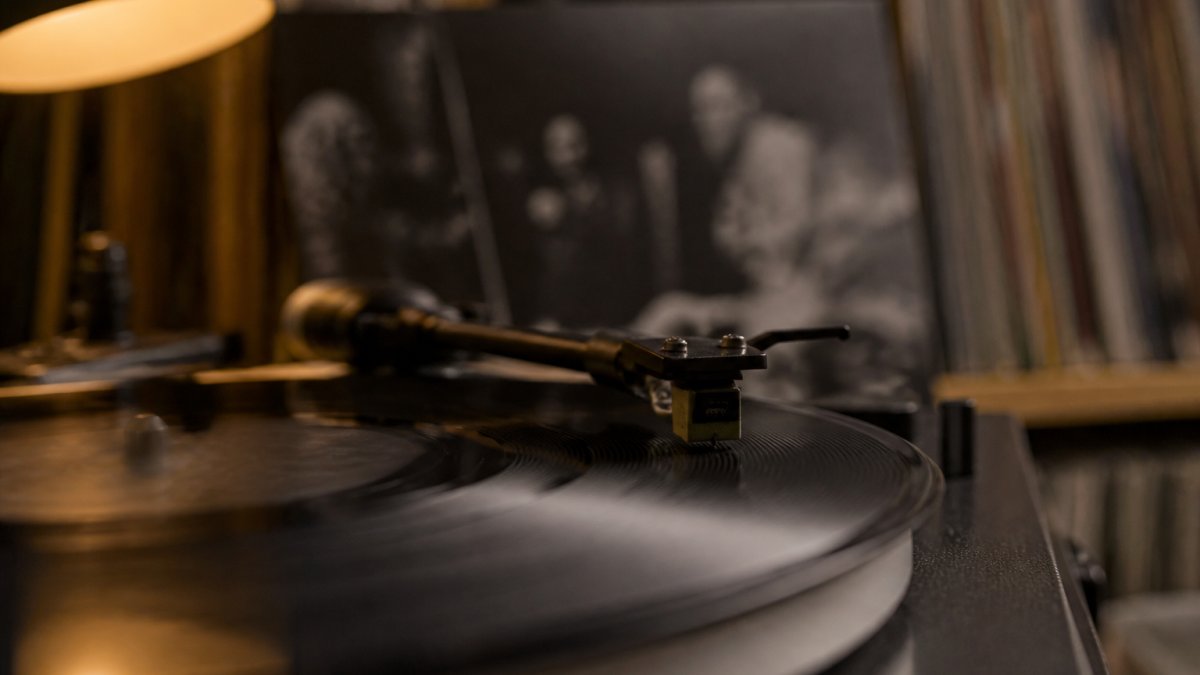
Why does vinyl sound warmer? The warmth comes from how the format colors the signal, plus a healthy dose of expectation.
Pre-order "Revisited" on Vinyl Today →
A few things create that analog warmth:
- Slight roll-off in the high frequencies
- Harmonic distortion that adds body to instruments
- The physical character of the record grooves
- The ritual itself, which primes you to listen closely
Then there's nostalgia. If your first favorite records were on vinyl, your brain ties that sound to good memories. That's a psychological effect, and it's completely valid.
Bass Response, Crackles, and the Noise Floor
Bass response on vinyl can feel deep and full, but it's shaped by the cartridge, stylus, and playback system. A cheap turntable muddies low frequencies. A well-set-up one delivers satisfying weight.
Then come the crackles and pops. That surface noise is the trade-off. Some collectors love it. Others find it distracting.
Record wear and groove depth affect this over time. A clean record on a good vinyl setup stays quiet. A worn one gets noisy fast.
Vinyl Mastering vs Digital Mastering: Why the Same Album Sounds Different
Vinyl mastering vs digital mastering is where most of the real difference lives. The same album can sound like two different records depending on which master you play.
Engineers cut a vinyl master to fit physical limits. They manage low frequencies, control dynamic range, and shape the frequency response. A digital recording master has more room to preserve detail and clarity.
The part they miss is provenance: which master you actually own.
A practical way to sort this out:
- Check the deadwax. The runout groove on a record often carries a matrix number, a mastering engineer's initials, or a lacquer cut identifier. Those markings can tell you which cut you have.
- Compare release notes. Reissues usually state whether they were remastered and from what source. A "from the original tapes" claim is different from a digital transfer of a later mix.
- Listen for the same passages. Pick a moment with heavy bass, a quiet vocal, and a dense chorus. Differences in those three spots tell you more than a whole-album impression.
- Don't assume newer is better. A remaster can be louder and more compressed than the original, which some listeners prefer and others don't.
This is why edition-to-edition differences matter so much. A first pressing, a remaster, and a digital release can all sound distinct. Mastering provenance decides more than the format ever will.
A common mistake: blaming the format when the master is the culprit. If a vinyl copy sounds dull and a digital copy sounds bright, the first question isn't which format is better.
Choosing Your Format: A Decision Guide for Punk Vinyl Collectors
Here's how to decide, based on what you actually care about.
Your Priority | Go With | Why |
|---|---|---|
Maximum accuracy and low noise | Digital / CD | Cleaner signal, wider range |
Tactile ritual and artwork | Vinyl | Physical object, full-size art |
Deep bass on a budget | Digital | No gear tuning needed |
Collecting and display | Vinyl | Shelf presence, resale value |
Low maintenance | Digital | No cleaning or stylus care |
Best for vinyl: collectors who love the ritual and the object. Skip vinyl if: you want zero upkeep and perfect quiet passages.
If you're building a punk collection, start by browsing the music to hear what you're chasing. For current pricing and availability of vinyl, visit the 51 Boneyard Music website.
Watch out: buying vinyl without checking your cartridge and stylus condition leads to distortion and premature record wear. Match your gear to the format before you spend on pressings.
Frequently Asked Questions
Which sound quality is better, vinyl records or CDs?
CDs win on measurable fidelity. A CD's digital signal delivers wider dynamic range, a lower noise floor, and no surface noise or record wear over time. Vinyl adds its own character through analog warmth, groove-based playback, and mastering choices made specifically for the format. Neither is objectively superior for every listener; the better choice depends on whether you prioritize cleaner sound and convenience or the tactile listening experience and pressing-specific sound of a record.
Why do some people say vinyl sounds warmer?
Analog warmth is partly real and partly psychological. Vinyl mastering often uses different EQ and compression than digital releases, and the playback chain (turntable, cartridge, stylus, phono stage) colors the signal in ways listeners describe as warm. Surface noise and crackles also add a perceived texture. Expectation and nostalgia amplify the effect. In controlled, level-matched comparisons, many listeners cannot reliably tell vinyl from digital, which suggests perceived quality is shaped as much by context as by the format itself.
Does vinyl have higher audio quality than streaming?
Not in measurable terms. Streaming services deliver high-fidelity digital audio with frequency response and dynamic range that vinyl cannot match, and there is no surface noise, distortion from record wear, or groove depth limitation. What vinyl offers is a different listening experience: physical media, artwork, and a mastering approach that sometimes favors a more open, less loudness-pushed sound. Whether that translates to better vinyl sound quality is a subjective preference, not a technical fact.
Can a vinyl record sound better than a digital version?
Sometimes, yes, but usually because of mastering provenance rather than the format itself. If the vinyl edition was cut from a better source or mastered with more care than a loudness-maximized digital release, the record can sound more open and dynamic. Edition-to-edition differences matter more than the analog-versus-digital label. A well-mastered digital file and a well-cut record can both sound excellent; a poorly mastered version of either will disappoint.
The format debate will never fully settle, and that's fine. What matters is matching your setup to how you actually listen. Browse our vinyl and CD releases, grab original Vasser artwork on shirts and stickers, and hear the records the way they were cut. Get started with 51 Boneyard Music and build a collection that sounds like yours.
